Category: Sober living

  • How much alcohol can you safely drink while taking eliquis?

    It’s important to consult your doctor for personalized advice and follow guidelines to ensure your safety. Mixing alcohol with other blood thinners, such as aspirin or warfarin, can increase the risk of bleeding. It is important to consult with your healthcare provider before combining alcohol with any blood thinner medications. If you’re prescribed blood thinners, your first step in understanding alcohol consumption guidelines should be talking with your doctor. Your healthcare provider can evaluate your individual risk factors — including your medical history, overall health, and reasons for taking a blood thinner — to offer tailored advice. In some cases, a doctor may permit light, occasional alcohol use, while in others, complete avoidance is necessary.

    Side Effects of Mixing Blood Thinners and Alcohol

    For many people, moderate drinking means up to one drink per day for women and up to two drinks per day for men. However, even this level of consumption should be discussed with your doctor. Eliquis belongs to a group of drugs called anticoagulants, also known as blood thinners.

    When to Seek Professional Help

    Remember, when it comes to your health, it’s better to be safe than sorry. Blood thinners are a crucial category of medications that help prevent dangerous blood clots in people at high risk for strokes, heart attacks, or other clot-related complications. However, they can pose unique challenges when combined with substances like alcohol. People taking blood thinners must be aware of how alcohol could affect their medication’s efficacy and safety. Many individuals view drinking as a source of relaxation and enjoyment, often seeing it as a harmless pleasure or a way of turning an ordinary event into a festive occasion.

    Savaysa (edoxaban) and Alcohol

    If your doctor determines that it’s safe for you to take an NSAID with Eliquis, tell them right away if you have symptoms beer and eliquis of bleeding. Examples include bloody stool or urine, coughing up blood, and unexplained bruising. Taking Eliquis and NSAIDs together can further increase your risk of bleeding. They can advise you on whether there’s a safe amount to drink while taking Eliquis.

    Table of Contents

    beer and eliquis

    When combined with Eliquis, the risk of bleeding increases due to the synergistic blood-thinning effects of both drugs. Aspirin works by irreversibly inhibiting the enzyme cyclooxygenase, which is crucial in the production of thromboxane, a substance that enables platelets to clump together and form clots. This irreversible blockade results in a prolonged antiplatelet effect, making aspirin a more potent blood thinner compared to other NSAIDs which only temporarily inhibit platelet function. In addition to NSAIDs and specific antidepressants, other medications can also interact with Eliquis. These include other anticoagulants, aspirin, and thrombolytic drugs, each of which can lead to complications and increased bleeding risks. The effectiveness of Eliquis is hinged on its unique mechanism of action.

    However, moderate consumption doesn’t significantly affect the metabolism of what is alcoholism warfarin. Too much alcohol can contribute to many diseases of organs such as the liver, heart, and pancreas and is a factor in developing heart disease. Consuming more than two servings of alcohol every day can increase the risk of developing blood clots.

    • No specific interactions between vaccines and Eliquis have been reported.
    • When it comes to the most in-demand prescription medications, patients can expect to easily get it from PharmaServe, a leading online pharmacy.
    • Chronic alcohol use can decrease warfarin metabolism or deplete vitamin K, shifting coagulation levels unpredictably.
    • Patients should carry an identification card or wear a medical alert bracelet indicating they are taking Eliquis.
    • However, when I discuss this issue with my patients, I usually instruct them to avoid daily or frequent NSAID use to minimize bleeding effects of combining the two medications.
    • It inhibits not just the Factor Xa enzyme, but also prothrombinase activity and clot-bound Factor Xa activity in the clotting process.

    Blood thinners are medications designed to prevent blood clots from forming and to maintain smooth blood flow through the blood vessels. Common types of blood thinners include warfarin, rivaroxaban, aspirin, and other anticoagulants. These medications are often prescribed to patients with conditions like atrial fibrillation, deep vein thrombosis, or those at risk of a heart attack or stroke.

    Combining Eliquis with Antiplatelet Agents and Bleeding Risks
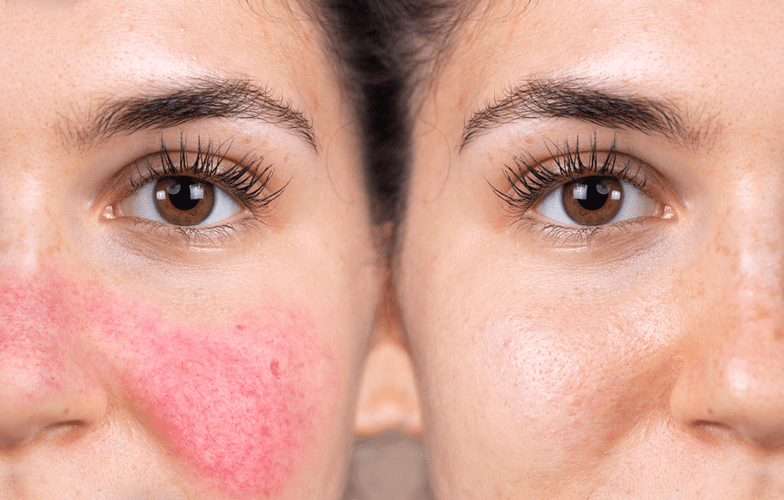
    beer and eliquis

    Alcohol can irritate the gastrointestinal (GI) tract, leading to conditions such as gastritis and peptic ulcers. Given that Eliquis can also cause GI bleeding as a side effect, combining the two increases the likelihood of GI complications. It is generally recommended to avoid or limit alcohol consumption regardless of the duration for which you are taking Eliquis. Unlike some other blood thinners, it does not require extensive monitoring of kidney function. It’s best to consult your healthcare provider before adding turmeric supplements to your diet.
  • Understanding the Dangers of Alcohol Overdose

    In some instances, an alcohol overdose can lead to permanent health consequences, including brain damage from lack of oxygen or severe dehydration. Consuming large amounts of alcohol can lead to significant impairments in motor coordination, decision-making, impulse control, and other functions, increasing the risk of harm and alcohol poisoning. Ignoring these symptoms and signs can lead to alcohol overdose.1 Abusing alcohol, in general, has certain short-term and long-term effects. Alcohol poisoning depresses the central nervous system, causing symptoms like vomiting, confusion, low heart rate, and loss of consciousness. It can also lead to dangerous complications such as choking and breathing difficulties. If someone shows these symptoms while drinking, it may indicate alcohol poisoning and means they need prompt medical intervention.

    About Medical News Today

    An improperly functioning gag reflex significantly increases the risk of choking. The amount of alcohol that can cause alcohol poisoning isn’t the same for everyone. Other factors include your medications and how much food you eat before drinking.

    alcohol overdose

    Mild Impairment Symptoms

    • In extreme cases, alcohol overdose can lead to a coma, where the person may lose consciousness for an extended period.
    • If any of this sounds familiar, Oar Health might be right for you.
    • If you can’t sit up, lie on your side to prevent choking on your vomit.

    Although having food in your stomach cannot prevent an alcohol overdose, it will help mitigate some of the effects of mild to moderate drinking. Alcohol overdose, also known as alcohol poisoning, can cause serious injury and/or death. When you’re unconscious, there are still functions being carried out by your body such as automatic responses like breathing, heart rate, or regulating body temperature. Another automatic response is the gag reflex, which gets suppressed by alcohol.

    Prevention Strategies for Alcohol Overdose

    Be aware of the alcohol content of what you’re drinking and adjust how much you drink based on this knowledge. Celebrating at parties, cheering a favorite sports team, and enjoying get-togethers after work are common ways to relax or be with friends. For some people, these occasions may also include drinking—even binge or high-intensity drinking. Underage drinkers tend to drink too much alcohol when they do drink, more than adult drinkers do, which can lead to alcohol poisoning. Anyone exhibiting these symptoms should immediately get medical help, as delay in care can be fatal. Call 911 if you or someone you love are experiencing any of the abovementioned signs and symptoms.

    Alcohol poisoning is a serious—and sometimes deadly—consequence of drinking too much alcohol in a short period of time. It occurs when high levels of alcohol in the bloodstream overwhelm the body’s ability to function properly, shutting down vital systems like breathing, heart rate, and temperature control. Alcohol poisoning, also referred to as alcohol overdose, is a serious and potentially life-threatening condition that arises when a person consumes large amounts of alcohol in a short timeframe.

    alcohol overdose

    How much alcohol can be fatal?

    Treatment at one of our dedicated treatment centres can include alcohol detoxification, therapy and access to support groups. We can also prescribe medication to you, helping you to manage cravings and withdrawal symptoms and stay focused on long-term recovery. Emergency medical attention is necessary at this point to avoid death and severe health problems. Any of these symptoms are signs Halfway house that immediate medical attention is necessary. At this stage, a person’s BAC will range from 0.25 to 0.4 percent. Their blood alcohol content (BAC), which measures how much alcohol is in the bloodstream, will be very low at 0.01 to 0.05 percent.

    • Alcohol poisoning is a stark reminder of the dangers of excessive drinking.
    • Ethyl alcohol poisoning generally results from drinking too many alcoholic beverages in a short period of time.
    • At this stage, a man might have consumed three to five drinks in an hour, or two to four drinks for a woman.
    • For example, choking is one of the greatest dangers of alcohol poisoning.

    Upon seeing someone potentially suffering from alcohol overdose, it is imperative to promptly contact emergency services and ensure the person remains awake alcohol overdose and in an upright position. Also, explaining the symptoms to emergency personnel helps facilitate prompt and appropriate medical assistance. Position the individual laterally if they are unresponsive to prevent choking, and observe their heart rate and breathing. Binge drinking is dangerous because you might consume a fatal dose of alcohol before passing out.

    • If you or a loved one is ready to seek help, The Edge Treatment Center will guide you toward recovery and lasting wellness.
    • If you’re concerned about alcohol addiction, it’s never too early to start recovery.
    • Some religious groups permit the consumption of alcohol; some permit consumption but prohibit intoxication; others prohibit any amount of alcohol consumption altogether.
    • Despite your best efforts, you might still need help recovering from alcohol abuse.
    • A person with alcohol poisoning who has passed out or can’t wake up could die.

    At first, this may not seem like a major issue, but part of the reason that many people who overdrink vomit is that alcohol irritates the stomach. One of the most common ways someone dies of an alcohol overdose is by having their gag reflex, one of these automatic responses, suppressed. There is definitely an amount of alcohol that would cause anyone who drank it to experience an overdose, depending on someone’s age, gender, height, weight, health, and more. But, the amount of alcohol they can safely process is going to vary hugely in comparison to someone else. Although alcohol in moderation is safe to consume, various factors can increase the likelihood of an overdose. BetterHelp offers affordable mental health care via phone, video, or live-chat.